
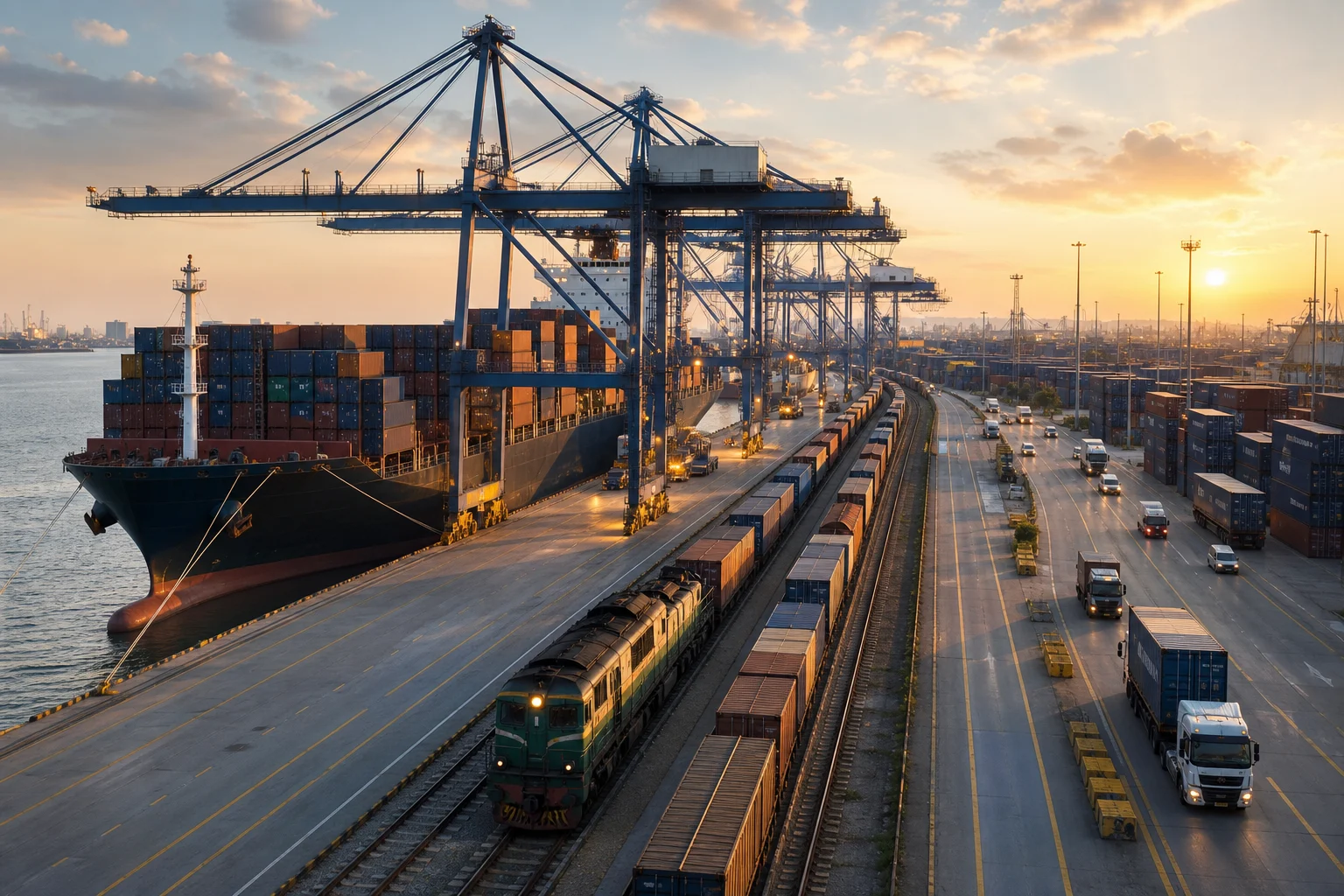
Where to start organizing supplies between Russia and India
The first mistake when planning an international delivery is choosing a route before checking the requirements for the product itself. First, you need to determine the product code, import conditions, the need for certification, labeling and special permits. These parameters affect the list of documents, the timing of customs clearance and acceptable entry points.
The company then determines geography: where the supplier, buyer, warehouse or production site is located. India has a long territory and several large port clusters, so delivery to Mumbai, Chennai or Delhi will differ not only in price, but also in route structure. A correct comparison is only possible on the basis of a complete door-to-door scheme.
What to include in logistics calculations
The ocean or air carrier's rate is only part of the cost. The financial model must include terminal handling, storage, insurance, customs duties, brokerage services, inland transportation and possible costs due to delays. For perishable, dangerous or large cargo, special processing conditions are calculated separately.
Before signing the contract, the parties must agree on the delivery basis according to Incoterms, responsibility for the documents and the moment of transfer of risks. The wording in the contract must correspond to the actual transportation scheme. If the conditions are chosen formally, unforeseen expenses often arise after the cargo has been dispatched.
- international and domestic transportation sections;
- port, terminal and warehouse fees;
- cargo insurance and packaging costs;
- customs duties, taxes and representative services;
- reserve time and budget for inspection or correction of documents.
Verification of Indian partner and documents
The reliability of the chain depends on each participant: supplier, importer, carrier, customs representative and recipient. Before starting cooperation, it is important to check the company’s registration data, the authority of the signatory, experience with the desired category of goods and the availability of mandatory permits. The commercial viability of a proposal is not a substitute for legal and operational due diligence.
A set of documents is generated for a specific product and transaction model. Typically, it includes a contract, invoice, packing list, transport documents, certificates of origin and conformity. Names, quantities, weights and prices must be the same in all forms. Even small discrepancies can lead to queries and processing delays.
How to reduce the risks of the first delivery
For the first shipment, it is wise to choose a controlled volume and go through the entire document flow with the participants in the chain in advance. A test delivery shows real terms, reveals additional costs and allows you to check the interaction of the importer with the broker and carrier. After this, the financial model can be refined based on actual data.
It is useful to determine in advance an alternative route and course of action in the event of delays, disruptions or schedule changes. Control points should be assigned to specific responsible persons, and the status of the cargo should be regularly transmitted to all project participants.
- confirm the requirements for the product before concluding a contract;
- get several comparable route calculations;
- check documents before handing over the cargo to the carrier;
- fix the responsibilities of the parties and the procedure for communication;
- conduct a test delivery before scaling volumes.
Roadmap for a Sustainable Supply Chain
The result of the preparatory stage should be a single road map: route, economics, set of documents, verified counterparties, deadlines and risk response scenarios. The center helps companies compare the requirements of the Russian and Indian markets, find specialized partners and prepare substantive negotiations on logistics.